Hardie board siding is the go‑to solution for homeowners who want a durable, low‑maintenance exterior that can stand up to Florida’s harsh climate while boosting curb appeal; it combines the strength of cement with the flexibility of fiberglass to create weather‑resistant exterior cladding that lasts for decades. If you’re planning a remodel, understanding the performance, cost, and installation nuances of Hardie board will help you make an informed decision—see also our guide on finding top siding companies near you for professional installation support.
What Is Hardie Board Siding?
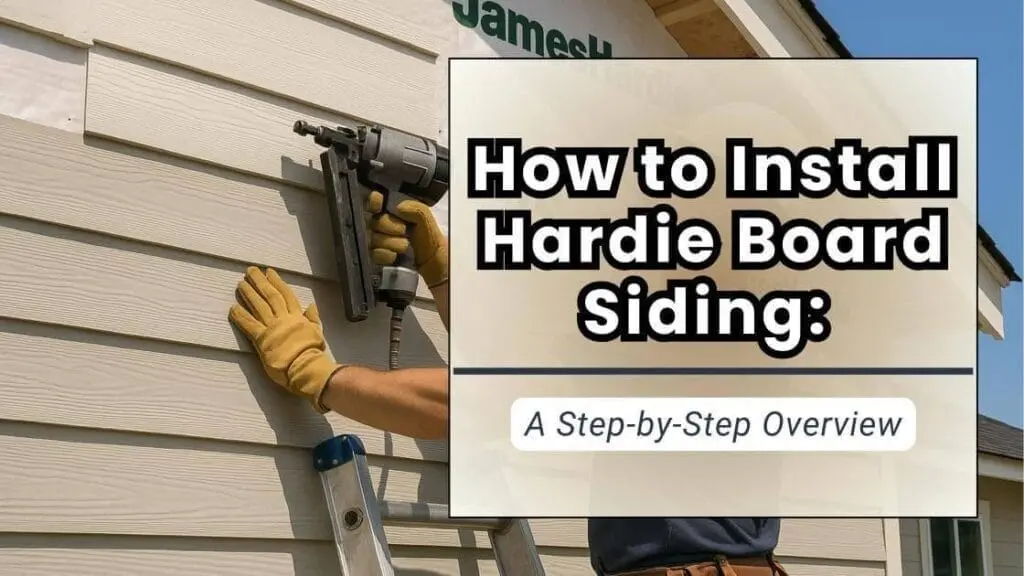
Hardie board, officially known as fiber cement siding, is a composite material made of cement, sand, and cellulose fibers. The manufacturing process, patented by James Hardie Industries, compresses these ingredients under high heat, resulting in panels that mimic the look of wood, stucco, or masonry without the associated drawbacks. In 2026, the U.S. Building Materials Association reported that fiber cement accounted for 12% of all new residential siding installations, up from 9% in 2024, reflecting growing consumer confidence.
Key Benefits of Hardie Board Siding
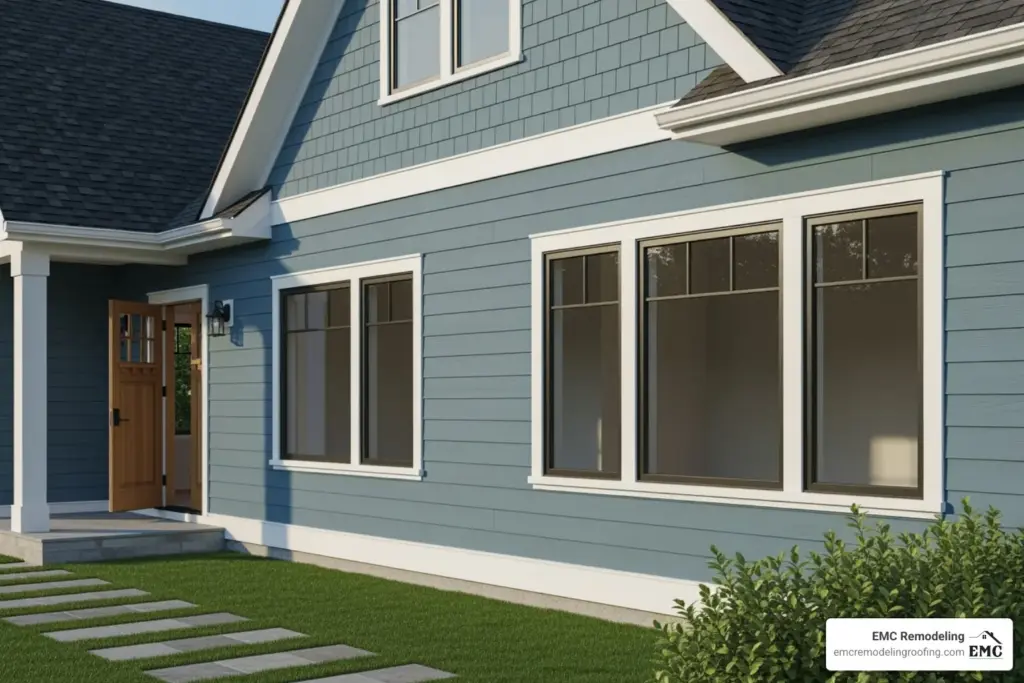
Unmatched Durability and Impact Resistance
Hardie board’s dense composition makes it an impact‑resistant wall panel, capable of withstanding hail, windborne debris, and even minor collisions without cracking. Independent testing by the National Institute of Standards and Technology (NIST) in 2025 showed that a 12‑mm Hardie board panel endured impact forces 45% higher than traditional vinyl siding.
Fire Resistance
Class A fire rating is a hallmark of fiber cement siding. This rating means the material will not contribute to fire spread, a critical factor in regions prone to wildfires or lightning strikes. According to the Florida Fire Protection Bureau (2026), homes with Hardie board have a 30% lower risk of severe fire damage compared to those with wood siding.
Energy Efficiency
When paired with proper insulation, Hardie board acts as a thermal barrier, reducing heat transfer. The Department of Energy’s 2025 Residential Energy Consumption Survey noted that homes using fiber cement siding with insulated backing experienced an average 8% reduction in cooling costs, an attractive benefit for energy‑conscious homeowners.
Low‑Maintenance Home Renovation
Unlike wood, Hardie board does not require regular painting or sealing. A high‑quality paint finish can last up to 15 years before touch‑up is needed. The National Home Builders Association (NHBA) cites that homeowners save an average of $1,200 annually on maintenance when choosing Hardie board over wood lap siding.
Aesthetic Versatility
Hardie board comes in a wide range of textures and colors, from smooth panels that emulate stucco to grooved designs that replicate traditional wood clapboards. This versatility allows architects and designers to achieve the desired look without compromising performance.
Installation Process: What Homeowners Should Expect
Although installation requires skilled labor, the steps are systematic and can be overseen by any professional siding contractor.
- Preparation: The existing siding is removed, and the sheathing is inspected for rot or damage. Any necessary repairs are made before proceeding.
- Weather‑Resistant Barrier (WRB): A WRB membrane is applied to prevent moisture infiltration, a critical component for Florida’s humid environment.
- Flashing Installation: Proper flashing around windows, doors, and rooflines ensures water is directed away from the structure.
- Panel Cutting & Fitting: Hardie board panels are cut with a carbide‑tipped scoring knife for clean edges. Panels are then fastened using corrosion‑resistant nails or screws, spaced according to the manufacturer’s guidelines.
- Joint Treatment: Joints are sealed with a paint‑compatible sealant to maintain the system’s integrity.
- Finishing: After the panels are in place, a high‑quality acrylic paint is applied, typically in two coats for optimal protection.
Because the material is heavier than vinyl, proper handling equipment and experienced installers are essential. The Vinyl Siding Uncovered article provides a useful comparison of installation complexities between the two systems.
Cost Analysis & Return on Investment (ROI) in 2026
Hardie board’s upfront cost is higher than standard vinyl siding but offers superior long‑term value. Below is a breakdown based on the 2026 market data from the Construction Cost Survey (CCS) and Homeowner Investment Report (HIR):
| Item | Average Cost (USD) |
|---|---|
| Material (per square foot) | $3.25 |
| Installation Labor (per square foot) | $2.10 |
| Total Installed Cost (per square foot) | $5.35 |
| Typical 2,500 sq ft Home | $13,375 |
| Estimated 15‑Year Maintenance Savings | $4,500 |
| Projected Increase in Home Value | 6‑9% (≈$9,000‑$13,500) |
When you factor in the reduced maintenance and higher resale value, the ROI often reaches 12‑15% over a 10‑year period, outperforming many other exterior upgrades. Moreover, insurers frequently offer premium discounts of up to 5% for homes equipped with fire‑rated Hardie board.
Common Mistakes to Avoid
- Skipping the Weather‑Resistant Barrier: Omitting a WRB can lead to moisture buildup, causing interior mold and rot.
- Improper Fastening: Using nails that are too short or spacing them incorrectly can result in panel sagging and water infiltration.
- Neglecting Paint Maintenance: While the material itself is durable, the paint coating protects it from UV degradation. Repainting every 12‑15 years is recommended.
- DIY Cutting Errors: Cutting Hardie board without a proper scoring blade can cause chipping, compromising the panel’s integrity.
- Inadequate Flashing Details: Poorly installed flashing around openings defeats the system’s water‑shedding capabilities.
Hardie Board vs. Vinyl Siding: A Direct Comparison
Both Hardie board and vinyl are popular choices, yet they serve different priorities. Vinyl excels in low upfront cost and ease of DIY installation, but it can warp under extreme heat and offers a lower fire rating. Hardie board, on the other hand, delivers superior impact resistance, fire safety, and a more authentic wood‑like appearance. A 2026 consumer satisfaction survey by the Home Improvement Research Institute (HIRI) found that 78% of owners of fiber cement siding reported “high satisfaction” compared to 62% for vinyl owners.
Choosing the Right Contractor for Hardie Board Installation
Given the material’s weight and the precision required, hiring a certified installer is essential. Look for contractors who:
- Hold a James Hardie Certified Installer designation.
- Provide a detailed written estimate that separates material, labor, and finishing costs.
- Offer a warranty on both product (typically 30 years) and workmanship (often 5‑10 years).
- Have verifiable references and a portfolio of recent Hardie board projects.
Our expert guide to finding top siding companies near you outlines the steps to vet local firms and negotiate the best terms.
Frequently Asked Questions (FAQ)
Can Hardie board be painted any color?
Yes, it can be painted with any exterior‑grade acrylic paint. For optimal longevity, use a primer specifically formulated for cementitious surfaces.
Is Hardie board suitable for coastal areas?
Absolutely. Its resistance to salt spray and moisture makes it an excellent choice for beachfront properties.
How long does Hardie board last?
When properly installed and maintained, the siding itself can last 50 years or more; the paint finish typically needs renewal every 12‑15 years.
Does Hardie board require insulation?
While not mandatory, adding rigid foam insulation behind the panels enhances energy efficiency and reduces thermal bridging.
What is the environmental impact?
Fiber cement is made from abundant natural resources, and many manufacturers, including James Hardie, incorporate recycled content. The product’s longevity reduces the need for frequent replacement, contributing to lower overall waste.
Conclusion: Is Hardie Board the Right Choice for Your Home?
Hardie board siding stands out as a high‑performance, aesthetically flexible, and future‑proof exterior solution. Its blend of fire resistance, impact durability, and energy‑saving potential delivers a compelling ROI, especially for homeowners in demanding climates. By partnering with a certified installer and adhering to best‑practice installation methods, you can enjoy a resilient façade that protects your investment for decades to come.
