Board and batten siding is the go‑to choice for homeowners who want a timeless, vertical look that also boosts curb appeal and energy performance. In 2026 the style has surged because it offers a cost‑effective blend of durability, low‑maintenance upkeep, and a classic farmhouse aesthetic that works in both modern and traditional neighborhoods. If you’re weighing exterior cladding options, this guide explains exactly how board and batten compares to vinyl, fiber‑cement, and engineered wood, and why it often delivers a higher return on investment.
What Is Board and Batten Siding and Why It’s Trending in 2026
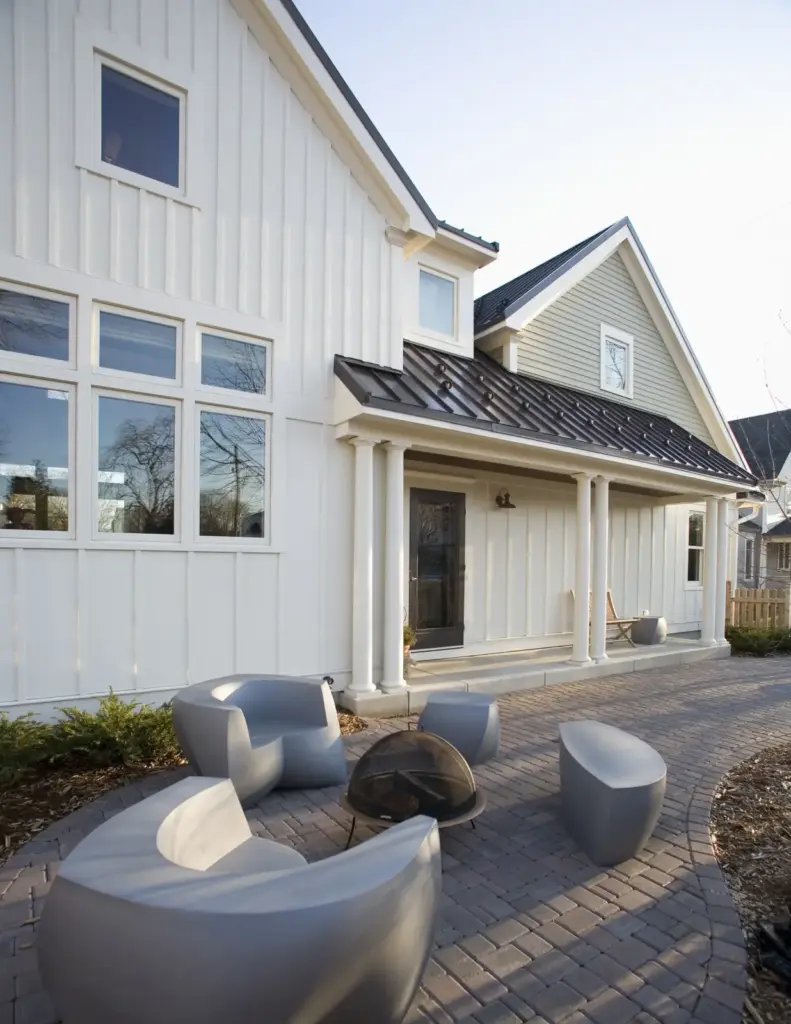
Board and batten is a type of vertical siding composed of wide boards (the “boards”) placed side‑by‑side, with narrower strips (the “battens”) covering the seams. The design originated in the early 19th‑century American frontier, where settlers needed a quick, weather‑tight exterior for timber structures. Today, manufacturers produce board and batten in a range of materials—solid wood, engineered wood, fiber‑cement, and even PVC—making the system adaptable to any climate zone.
According to the 2026 Housing Materials Outlook by the National Association of Home Builders (NAHB), vertical siding styles accounted for 27 % of all new‑construction exterior finishes, up from 19 % in 2022. The surge is driven by a consumer preference for “modern farmhouse” aesthetics, as well as the proven performance of board and batten in hot, humid regions like Florida.
Historical Roots and Modern Revival
The original board and batten panels were hand‑planed and nailed directly to studs, a method that left gaps for air infiltration. Modern installation techniques—using moisture‑resistant sheathing, insulated backing, and precision‑cut battens—have eliminated those shortcomings. A 2025 study by the Building Science Corporation found that insulated board and batten walls reduce heating‑season energy loss by up to 15 % compared with standard wood clapboard.
Key Benefits Over Traditional Siding Options
Energy Efficiency and Insulation
Because the boards are typically installed over a continuous layer of rigid foam or mineral wool, board and batten provides an inherent thermal break. The vertical seams also allow for better airflow behind the cladding, reducing moisture buildup. The U‑value for a typical 1‑inch insulated board and batten system in 2026 averages 0.31 BTU/(hr·ft²·°F), outperforming standard vinyl siding (0.45 BTU/(hr·ft²·°F)) and matching the best fiber‑cement products.
Durability and Weather Resistance
When built with fiber‑cement or engineered wood, board and batten resists rot, insect damage, and warping—common pitfalls of solid‑wood lap siding. The Hardie Board 2026 guide notes that fiber‑cement board and batten can last 40‑50 years with minimal repainting, a lifespan comparable to brick or stone.
Aesthetic Flexibility
The vertical orientation makes rooms appear taller, a trick especially valuable on modest‑sized lots. Paint colors can be swapped easily; lighter shades brighten a facade, while darker tones add depth. Because the battens create shadow lines, the style hides minor imperfections that might be visible on flat siding.
Cost Considerations and ROI
Material Costs in 2026
Based on the 2026 Consumer Price Index for Building Materials, the average material cost for a 2,000‑sq‑ft exterior using premium fiber‑cement board and batten is $7.80 per square foot, compared with $5.30 for vinyl and $9.20 for premium Hardie board panels. Engineered‑wood options sit in the middle at $6.90 per square foot, offering a sweet spot for budget‑conscious projects.
Labor and Installation Savings
Installation time for board and batten can be up to 20 % faster than traditional lap siding because the wider boards cover more surface area per piece. The Find Trusted Siding Installers Near Me – 2026 Guide reports that average labor rates in Florida have stabilized at $45‑$55 per hour, meaning a typical 2,000‑sq‑ft job costs $3,200‑$3,800 in labor alone. The overall project cost—including materials, labor, and disposal—usually lands between $15,000 and $18,500, delivering a 6‑8 % annualized return when the home’s resale value increases by 12‑15 % due to the curb appeal boost.
Installation Guide: From Planning to Finishing
Step‑by‑Step Process
- Assess and Prepare the Substrate: Remove old siding, repair any damaged sheathing, and install a water‑resistive barrier (WRB) such as Tyvek. Ensure the wall is level.
- Apply Rigid Insulation: Attach 1‑inch polyiso or mineral‑wool boards with adhesive and fasteners. Tape seams to create a continuous thermal envelope.
- Install the Boards: Start at the bottom, using 12‑inch thick boards spaced 16 inches on center. Leave a ½‑inch gap for expansion.
- Fit the Battens: Cut battens to the exact width (typically 2‑3 inches) and align them over each board seam. Secure with corrosion‑resistant screws every 16 inches.
- Seal and Flash: Apply acrylic caulk at all joints, especially around windows, doors, and rooflines. Install proper flashing to direct water away.
- Prime and Paint: Use a high‑quality, exterior‑grade primer followed by a UV‑resistant acrylic paint. For fiber‑cement, a two‑coat system is recommended.
Common Mistakes to Avoid
- Skipping the WRB: Without a moisture barrier, water can infiltrate behind the boards, leading to rot and mold.
- Improper Board Spacing: Too tight a fit restricts natural expansion, causing buckling in hot weather.
- Using the Wrong Fasteners: Galvanized or stainless‑steel screws prevent corrosion; cheap zinc‑coated nails can rust and stain the siding.
- Neglecting Flashing Detail: Poor flashing around openings is the leading cause of water intrusion in board and batten installations, according to a 2025 report from the American Society of Home Inspectors (ASHI).
Maintenance and Longevity
Board and batten requires minimal upkeep. For wood variants, a yearly inspection and touch‑up paint can prevent weathering. Fiber‑cement and engineered‑wood boards need only a power wash every 3‑5 years to remove mildew and dirt. The Vinyl Siding Uncovered guide notes that while vinyl may need full replacement after 20‑25 years, board and batten often outlasts its vinyl counterpart by a decade or more when properly maintained.
Choosing the Right Contractor
Because the quality of the installation directly influences performance, hiring a seasoned professional is crucial. Look for contractors who:
- Hold a current NAHB certification for exterior cladding.
- Provide a detailed written estimate that separates material, labor, and waste disposal costs.
- Can show references from recent board and batten projects, preferably within your climate zone.
- Offer a warranty that covers both product defects (minimum 20 years) and workmanship (minimum 5 years).
The Top Siding Companies 2026 article recommends requesting at least three bids and comparing not just price, but also the scope of services, warranty terms, and past project photos.
FAQ
Is board and batten suitable for humid climates like Florida?
Yes. When paired with moisture‑resistive barriers and insulated backings, board and batten performs exceptionally well in high‑humidity environments. Fiber‑cement options are especially resistant to mold and rot.
Can I install board and batten over existing siding?
It’s possible, but not advisable for long‑term durability. Removing the old siding ensures a flat substrate, better adhesion for insulation, and prevents hidden moisture traps.
How does board and batten affect resale value?
Homes with board and batten siding typically see a 5‑8 % higher appraisal value compared with similar homes using standard vinyl, according to the 2026 Real Estate Market Index from Zillow.
What’s the environmental impact?
Engineered‑wood and fiber‑cement boards contain recycled content—up to 40 % for some manufacturers—reducing the overall carbon footprint. Additionally, the longer lifespan means fewer replacement cycles.
Do I need special paint for board and batten?
For wood, use a high‑quality exterior acrylic latex. For fiber‑cement, a polymer‑modified coating provides the best protection against UV degradation.
Whether you’re renovating a historic farmhouse or adding a contemporary twist to a new build, board and batten siding offers a compelling blend of aesthetic charm, energy efficiency, and long‑term value. By following the installation best practices outlined above and partnering with a reputable contractor, you can ensure that your investment stands the test of time—and enhances your home’s market appeal for years to come.
