Homeowners search for a “gutter leaf guard” because clogged gutters can lead to water damage, foundation cracks, and costly repairs; a properly installed leaf guard stops debris while allowing rainwater to flow freely. By installing an effective guard, you protect the roof, walls, and landscaping without the constant hassle of ladder climbs and manual cleaning. For those tackling exterior upgrades, pairing a leaf‑guard system with reliable trusted siding installers ensures a cohesive, weather‑ready envelope.
Why Gutter Leaf Guards Are Essential for Modern Homes
In 2026, the average American home experiences an average of 45 inches of rainfall, according to the National Oceanic and Atmospheric Administration (NOAA). When leaves, twigs, and pollen accumulate in gutters, the system’s primary purpose—rainwater management—is compromised. The resulting overflow can seep behind siding, erode the foundation, and foster mold growth inside walls. Moreover, clogged gutters increase the load on the roof structure, potentially shortening the lifespan of shingles and Hardie board installations.
- Prevent water intrusion: Guarding gutters eliminates pooling that can seep into basements.
- Reduce maintenance time: Homeowners save an average of 4 hours per year on ladder work, according to a 2025 HomeAdvisor survey.
- Extend roof and siding life: Proper drainage protects both roofing material and exterior cladding.
Types of Gutter Leaf Guard Systems

Understanding the variety of options helps you select a solution that aligns with your home’s architecture and climate.
1. Mesh and Screen Guards
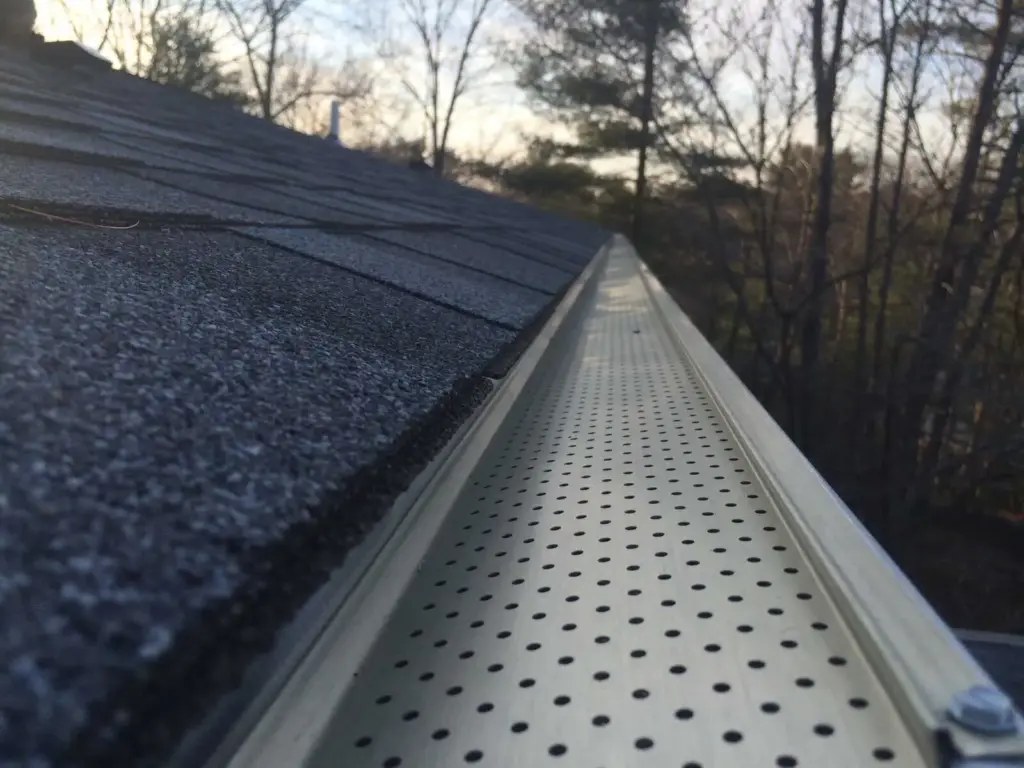
These consist of fine‑woven metal or polymer screens that sit inside the gutter, allowing water to pass while trapping larger debris. They are ideal for homes surrounded by dense foliage and are praised for their low profile, which preserves the aesthetic of the roofline.
2. Surface‑Tension (Reverse Curve) Guards
Designed with a curved lip, these guards direct water toward the center of the gutter while deflecting leaves outward. The concept leverages surface tension, a principle often cited in rainwater management studies. Installation is straightforward but requires precise alignment to avoid water spilling over the edge.
3. Foam Inserts
Foam blocks fill the gutter channel, creating a barrier that blocks debris yet lets water seep through the porous material. While inexpensive, foam can degrade under UV exposure and may need replacement after 5–7 years.
4. Gutter‑Cover Systems
These are full‑coverage covers that snap over the existing gutter, forming a sealed channel. They provide the highest level of debris filtration and are often used in commercial settings, but the cost is higher and installation may require professional help.
How to Choose the Right Leaf Guard for Your Property
Selecting the best guard involves balancing performance, budget, and compatibility with other exterior components. Below are the key criteria to evaluate:
- Climate and Tree Density: In regions with heavy rain and abundant pine trees, mesh guards with a 1/4‑inch opening are recommended.
- Roof Pitch: Steeper roofs benefit from surface‑tension guards that can handle higher water velocity.
- Material Durability: Aluminum and stainless steel resist corrosion, while UV‑stabilized polymers survive Florida’s intense sun exposure.
- Maintenance Preference: If you want a set‑and‑forget solution, a full‑cover system may be worth the investment.
Professional installers often cross‑reference product specifications with local building codes. For instance, the Top Siding Companies 2026 guide emphasizes coordinating gutter upgrades with siding projects to avoid water‑damage gaps.
Step‑by‑Step Guide to Installing a Gutter Leaf Guard
While some homeowners feel comfortable handling a DIY installation, many prefer professional assistance to ensure a watertight fit. Below is a practical workflow that works for most mesh or surface‑tension systems.
Materials Needed
- Leaf guard kit (selected type)
- Measuring tape and marker
- Safety ladder with stabilizers
- Gloves, safety glasses, and non‑slip shoes
- Drill with appropriate bits (if screws are required)
- Silicone sealant (optional for extra protection)
Installation Process
- Measure the gutter length: Record each run to determine the number of guard sections needed.
- Clean the gutter: Remove existing debris using a scoop and hose. A clean surface ensures proper adhesion for the guard.
- Fit the guard pieces: Align the guard with the gutter opening, making sure the lip (for reverse‑curve models) sits flush against the fascia.
- Secure the guard: Snap or screw the guard into place according to the manufacturer’s instructions. For metal guards, use stainless‑steel screws to prevent corrosion.
- Seal joints (optional): Apply a thin bead of silicone sealant where pieces meet to prevent water infiltration.
- Test the system: Use a garden hose to simulate heavy rain; watch for any overflow or leakage and adjust as needed.
Professional installers can streamline this process, especially when integrating guards with existing Hardie board siding or vinyl cladding, ensuring a seamless transition between materials.
Maintenance Tips to Maximize Longevity
Even the best leaf guard benefits from periodic checks. Follow these simple practices to keep your system performing at peak efficiency:
- Annual visual inspection: Look for sagging sections, rust, or accumulated fine debris.
- Mid‑season flush: Run water through the gutters during a dry spell to verify unobstructed flow.
- Trim overhanging branches: Reducing leaf fall lessens the load on the guard.
- Replace worn components: Mesh screens may tear; replace them promptly to avoid water backup.
Cost Analysis for 2026: Is a Leaf Guard Worth It?
According to the 2026 Home Improvement Cost Index published by Remodeling Magazine, the average price for a professional leaf‑guard installation ranges from $3.50 to $7.20 per linear foot, depending on material and roof complexity. DIY kits can cost as low as $1.20 per foot, but labor savings must be weighed against potential installation errors.
| Option | Average Cost (per foot) | Expected Lifespan |
|---|---|---|
| Mesh Guard (DIY) | $1.20 | 8–10 years |
| Surface‑Tension Guard (Pro) | $4.80 | 12–15 years |
| Full‑Cover System (Pro) | $7.20 | 20+ years |
When you factor in the average $1,500 annual cost of water‑damage repairs for homes without proper gutter protection (as reported by the Insurance Institute for Business & Home Safety, 2025), the return on investment (ROI) for a quality leaf guard can exceed 250 % within five years.
Common Mistakes Homeowners Make
Even experienced DIYers fall into traps that reduce guard effectiveness.
- Improper alignment: A mis‑aligned lip on a reverse‑curve guard causes water to spill over the edge, negating the system.
- Skipping the cleaning step: Installing over dirty gutters traps debris inside, leading to early clogging.
- Choosing the wrong material for climate: Polyethylene guards deteriorate quickly in high‑UV areas like Southern Florida.
- Neglecting fascia protection: Water that runs behind an ill‑fitted guard can rot the fascia board, compromising the entire roofline.
Frequently Asked Questions
Do leaf guards eliminate the need for gutter cleaning entirely?
While they dramatically reduce the frequency and intensity of cleaning, occasional maintenance is still recommended, especially after major storms that deposit large branches or pine needles.
Can I install a leaf guard on an existing rain barrel system?
Yes, but ensure the guard’s outlet aligns with the downspout inlet to maintain proper flow into the rain barrel. Some homeowners add a secondary screen inside the barrel for extra protection.
Are there any building‑code restrictions?
Most U.S. jurisdictions do not regulate leaf‑guard types, but local codes may dictate downspout sizing and gutter pitch. Always verify with the municipal building department before installation.
What’s the best way to integrate a guard with a new siding project?
Coordinate the installation timeline so the guard is placed after siding is sealed but before final trim work. This prevents water from seeping behind the siding and ensures a clean visual finish.
How do I know when it’s time to replace a guard?
Signs include visible tears in mesh, corrosion on metal components, or persistent water overflow despite a clear gutter. Replacing the guard promptly avoids costly water‑damage repairs.
Future Trends: Smart Gutter Systems
By late 2026, smart gutter technologies are emerging, featuring built‑in sensors that alert homeowners via mobile apps when water levels rise or when debris is detected. Integrating these sensors with a leaf guard can create a fully automated rainwater management system, further reducing labor and increasing home value.
In conclusion, a well‑chosen and properly installed gutter leaf guard is a small investment that delivers outsized protection for the entire home envelope. Pairing this upgrade with reputable exterior contractors—such as the top siding companies of 2026—ensures a unified, durable, and aesthetically pleasing result that safeguards your property for decades.
